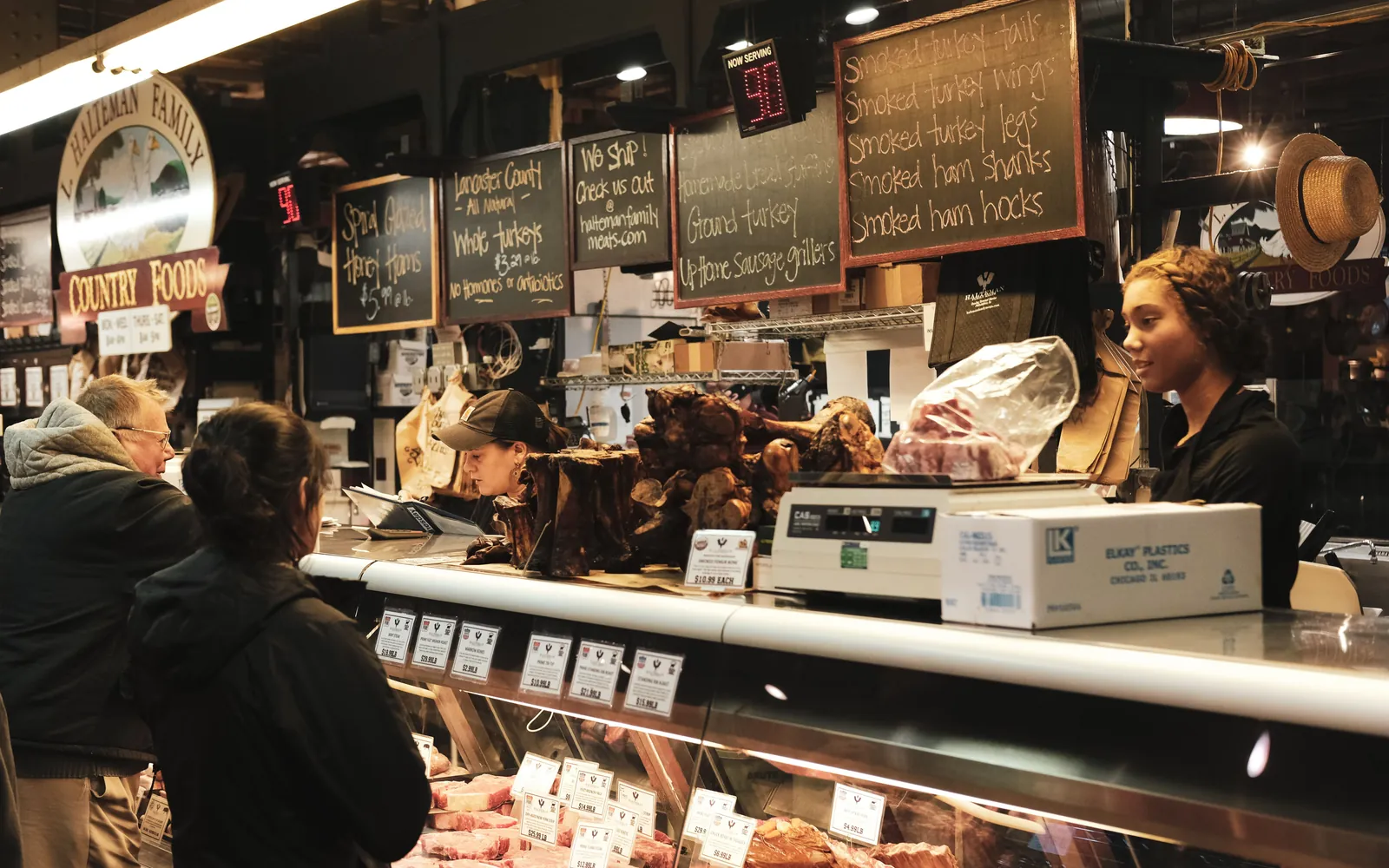
Introduction to Halal Grocery Audit Readiness
Preparing a grocery store or butcher counter for a halal audit requires coordinated quality, procurement, storage, processing, sanitation, and staff controls. Teams must understand which products, spaces, equipment, records, and employees fall within the audit scope. That preparation must keep halal products—especially those processed and displayed at the butcher counter—within the required controls and protected from contact with non-halal items. Clear evidence of those controls supports the certification review and gives halal-conscious shoppers a basis for confidence in the counter's claims.
Understanding Halal Butcher Counter Compliance
The butcher counter is the highest-risk area in a mixed grocery environment because halal and non-halal meats may pass through the same receiving, storage, preparation, and display areas. Facilities need documented separation controls for every handling stage and dedicated grinders, knives, cutting boards, and display trays where the applicable standard requires them. Auditors examine whether those controls actually prevent mixing or contact between halal and non-halal items [1]. Every staff member assigned to the counter must know the segregation, handling, and sanitation controls they are responsible for and how a lapse could compromise the facility's halal integrity.
Organizing Necessary Records and Documentation
A halal audit depends on accurate, current, organized documentation. Quality-assurance teams need records that trace halal products to verified suppliers [2]. That traceability shows auditors that the goods received and sold came from approved sources and remained within the applicable controls. Teams should organize current supplier certificates, receiving logs, temperature records, and cleaning schedules for halal-processing equipment before the assessment. These records also expose supply-chain or operating gaps early enough for the facility to correct them before the audit.
- Current and verified supplier halal certificates
- Detailed receiving, inventory, and traceability logs
- Comprehensive equipment cleaning and sanitation schedules
- Up-to-date employee training and competency records
Preventing Cross-Contamination in the Grocery Environment
Halal controls must extend beyond the butcher counter to retail shelves, refrigerated cases, receiving areas, and back-of-house storage. Product placement should prevent contact or confusion between halal goods and non-halal items, especially products containing pork or alcohol [3]. Mixed-use stores may need physical barriers or dedicated, clearly marked zones. During an assessment, auditors evaluate whether those segregation measures work throughout the store rather than only at the service counter.
The Role of Staff Training in Halal Compliance
Fast-paced retail work makes role-specific training essential to audit readiness [4]. Employees who receive, handle, process, or sell halal products must understand the halal and haram rules that apply to their duties, the facility's segregation procedures, and the approved method for cleaning shared or dedicated equipment. Refresher training and competency checks show whether staff can apply those controls consistently instead of merely recalling them for the audit.
Common Audit Readiness Gaps and How to Address Them
Common grocery-audit gaps include expired supplier documents, inadequate separation in storage or display, and insufficient or poorly documented staff training [5]. QA managers can expose those weaknesses through internal reviews and mock audits, then assign corrective actions before the certification assessment. Standardized pre-audit plans give the team a repeatable structure for checking the same controls and evidence each time.
Important Scope and Limitations
This article provides general educational guidance and does not replace the controlling HIPS standard, a certification decision, a legal opinion, or a religious ruling. Purchase the applicable publication for its complete definitions, scope, requirements, and copyright terms.
Frequently asked questions
What is the primary focus of a halal butcher counter audit?
The primary focus of a halal butcher counter audit is ensuring the strict, verifiable separation between halal and non-halal products to completely prevent cross-contamination, rigorously verifying supplier certifications for authenticity, and confirming that dedicated, clearly marked equipment is consistently used for processing and handling halal meats.
How can grocery stores effectively prevent cross-contamination of halal products?
Grocery stores can effectively prevent cross-contamination by dedicating specific storage areas, refrigerated display cases, and processing equipment exclusively for halal products, as well as implementing clear, unmistakable labeling systems and establishing robust, ongoing staff training protocols to ensure all employees understand the necessary precautions.
Why is comprehensive documentation so important for a halal grocery audit?
Comprehensive documentation is crucial because it provides the necessary, verifiable evidence of a facility's ongoing compliance. Auditors thoroughly review critical records such as supplier certificates, detailed receiving logs, and consistent cleaning schedules to verify that the facility actively maintains strict halal integrity throughout all of its daily operations.
References
View the controlling HIPS publication