Understanding Halal Manufacturing Audits
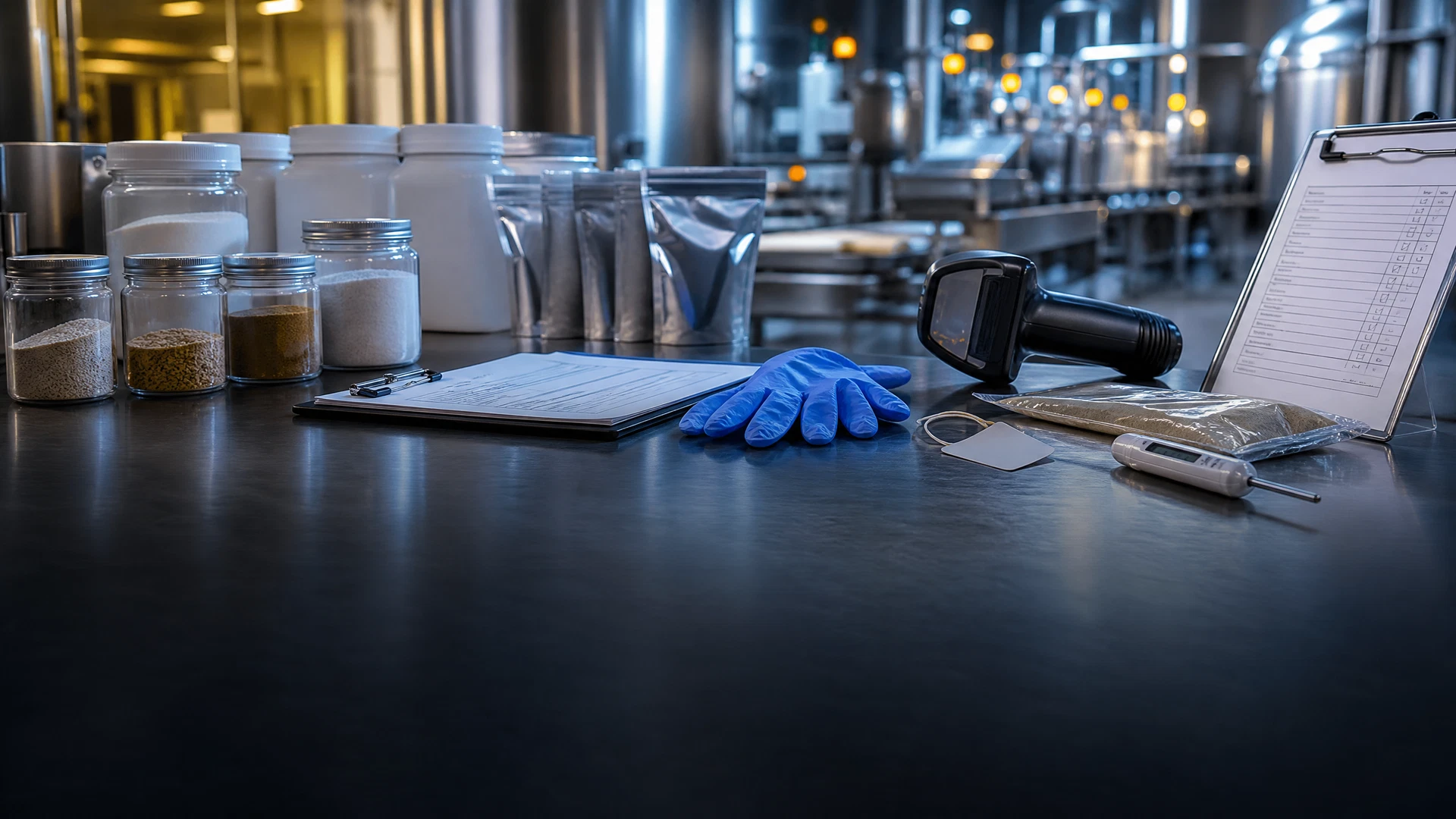
Preparing for a halal manufacturing audit requires organized facility records, ingredient evidence, and process controls. Quality-assurance teams, compliance managers, and operations leaders must coordinate across departments because the assessment compares written procedures with what happens on the production floor [1]. Organizing the evidence before the audit lets the team find preventable gaps rather than waiting for the auditor to find them.
Auditors review ingredient sources, cleaning and sanitation records, and the separation of halal and non-halal materials where both are handled. Because suppliers, formulations, personnel, and processes change, audit readiness depends on maintaining those records and controls every day—not assembling them only when an assessment is scheduled.
Key Responsibilities for QA Teams
The QA team plays a central role in preparing a manufacturing facility for a halal audit. Their responsibilities extend beyond simply collecting documents; they must ensure that all relevant personnel understand their role in maintaining halal compliance. This often involves cross-functional collaboration with procurement, production, and warehouse teams to verify that every step of the manufacturing process aligns with the facility's halal objectives.
One of the primary tasks for the QA team is to maintain an up-to-date inventory of all ingredients and their corresponding halal certifications or supplier declarations. They must also oversee the implementation of standard operating procedures (SOPs) related to equipment cleaning and changeover processes, ensuring that these procedures are documented and followed consistently by production staff [2]. Furthermore, QA teams are responsible for ensuring that any deviations from these SOPs are recorded and addressed promptly to prevent compliance issues.
Organizing Ingredient and Supplier Documentation
A critical component of halal audit readiness is the thorough documentation of all ingredients and raw materials used in the manufacturing process. Auditors will typically request evidence that every ingredient, including processing aids and additives, has been evaluated for halal compliance. QA teams should maintain a centralized database or filing system that links each ingredient to its approved supplier and current halal certification status.
When organizing supplier documentation, QA teams must verify that each halal certificate is current, issued by an acceptable certification body, and explicitly covers the ingredient being purchased. Supplier or formulation changes require review and approval before use [3]. A controlled supplier-approval program keeps unverified ingredients from entering production and undermining the facility's halal system.
Process Controls and Facility Management
In addition to ingredient verification, a halal manufacturing audit will assess the physical facility and the process controls in place. QA teams must be prepared to demonstrate how the facility prevents cross-contamination, particularly in environments that handle both halal and non-halal products. This requires clear documentation of production schedules, equipment changeover procedures, and the specific cleaning protocols used between runs.
Facility management also involves ensuring that storage areas are properly organized to maintain the segregation of materials. QA teams should maintain records showing that receiving, storage, and shipping processes are controlled to protect the chain of custody of halal products [4]. By presenting well-organized records of these process controls, the facility can provide confidence to auditors regarding its operational integrity. Regular internal inspections can help verify that these controls are consistently applied.
Common Preparation Gaps to Avoid
During audit preparation, QA teams often encounter common gaps that can complicate the assessment process. One frequent issue is the failure to maintain updated documentation for minor ingredients or processing aids, which are sometimes overlooked in the broader inventory. Another common gap is the lack of documented training for production staff on the specific halal procedures required for their roles [5].
To address these gaps, QA teams should conduct internal reviews or mock audits prior to the official assessment. This proactive approach allows the team to identify missing records, update outdated procedures, and ensure that all staff members are prepared to answer questions related to their responsibilities during the actual audit. Identifying and addressing these gaps early is key to a successful audit outcome.
Categories of Audit Evidence
Organizing evidence systematically is essential for a smooth audit experience. QA teams should categorize their records to align with the typical areas of focus during an assessment. This structured approach helps auditors quickly locate the information they need and demonstrates the facility's commitment to compliance.
| Evidence Category | Examples of Records |
|---|---|
| Ingredient Verification | Supplier certificates, specifications, formulation sheets |
| Process Controls | Production logs, cleaning records, changeover SOPs |
| Facility Management | Storage maps, receiving logs, segregation protocols |
| Personnel Competence | Training logs, role descriptions, internal audit reports |
Conclusion and Scope Note
A manufacturing site is ready for assessment when its ingredient evidence, process controls, facility records, and floor practices agree. Managing those elements as one system lets QA teams demonstrate continuous halal control instead of presenting disconnected documents on audit day.
This article provides general educational guidance and does not replace the controlling HIPS standard, a certification decision, a legal opinion, or a religious ruling. Purchase the applicable publication for its complete definitions, scope, requirements, and copyright terms.
Frequently asked questions
What is the primary role of the QA team in halal audit preparation?
The primary role of the QA team is to organize evidence, maintain updated ingredient and supplier documentation, oversee process controls, and ensure that relevant personnel understand their responsibilities in maintaining halal compliance.
How should a facility handle documentation for new ingredients?
A facility must verify the halal compliance of any new ingredient before it is introduced into the manufacturing process. QA teams should obtain and review the supplier's current halal certificate or declaration and update their centralized records accordingly.
Why is it important to document equipment cleaning procedures?
Documenting equipment cleaning procedures provides evidence that the facility actively prevents cross-contamination, which is critical for maintaining the integrity of halal products, especially in mixed-use manufacturing environments.
References
- What Is a Halal Audit? | American Halal Foundation
- Halal Certification Guidelines | USA Halal Chamber of Commerce
- Halal Supplier Vetting Process | American Halal Foundation
- Halal Logistics: A Comprehensive Guide | American Halal Foundation
- Halal Certification Training Procedure | American Halal Foundation
View the controlling HIPS publication